
 Made in our UK lab · Next Day Delivery
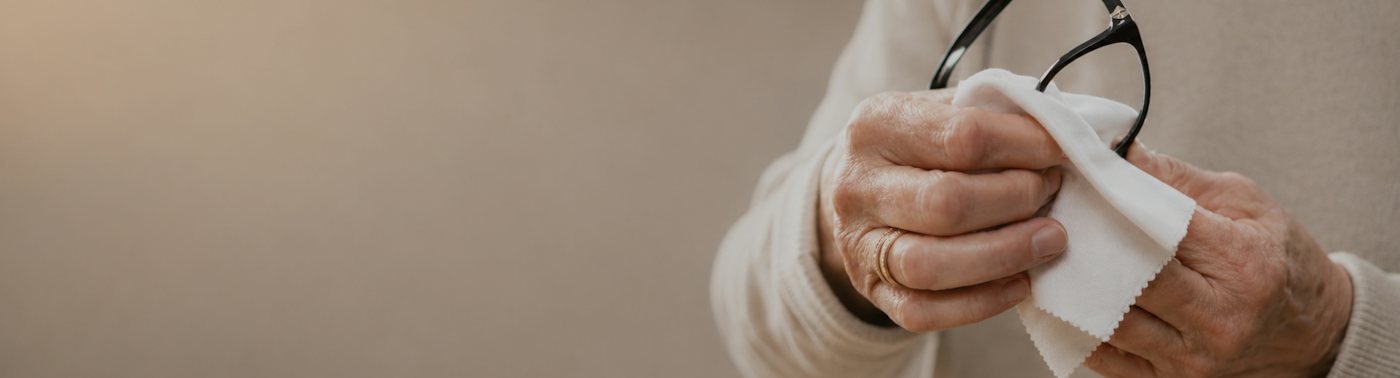
How to Look After Your Glasses
Essential Care Tips to Keep Your Glasses in Perfect Condition
Published by Direct Sight | After Care Guide
Your glasses are one of the most-used items you own. Worn every day, handled constantly, and taken pretty much everywhere. Keeping them clean and well maintained protects your vision and extends the life of your frames and lenses.
This guide covers everything you need to know about how to clean prescription glasses correctly. How to store and handle them safely, and how to keep them in the best possible condition for longer.
How to clean prescription glasses, glasses cleaning guide
- Wash your hands first. Before touching your lenses, wash your hands with a mild, lotion-free soap and dry them on a clean, lint-free towel. Oils, lotions, and dirt transfer easily from your fingers to your lenses and make smearing worse.
- Rinse under lukewarm water. Hold your glasses under a gentle stream of lukewarm water to loosen and lift any dust, grit, or debris from the lens surface. This step is essential, skipping it and wiping dry is the most common cause of fine scratches on lenses.
- Apply a glasses cleaning solution or mild soap. Use a purpose-made glasses cleaning spray, or apply a small amount of mild, lotion-free soap directly to the lens using your fingertips. Gently rub both sides of each lens and along the frames, paying particular attention to the nose pads and hinges. This is where oils and residue tend to build up.
- Rinse thoroughly. Rinse the glasses again under lukewarm water to remove all traces of soap or cleaning solution. Any residue left behind will cause smearing when you dry them.
- Dry with a clean microfibre cloth. Shake off any excess water and dry your lenses gently with a clean microfibre cloth, using light pressure and straight strokes. Direct Sight includes a free microfibre cloth with every pair of glasses purchased.
What to use, and what to avoid, when cleaning glasses
Using the right products matters for the care of your glasses. Particularly if your lenses have specialist coatings such as anti-reflective, scratch-resistant, or blue light filtering.
What to safely use on your glasses:
| What to use | Why it works |
|---|---|
| ✓ Glasses cleaning spray | Purpose-made and safe for all lens coatings, the most convenient option for daily use. |
| ✓ Lotion-free soap + water | A reliable at-home alternative. Use sparingly and rinse thoroughly. |
| ✓ Microfibre cloth | The only cloth that safely lifts oils and debris without scratching. Comes free with every Direct Sight order. |
| ✓ Lens wipes (individually sealed) | A practical on-the-go solution when you do not have access to a sink. |
What to never use on your glasses:
| What not to use | Why not |
|---|---|
| ✗ Household window or surface cleaners | These often contain ammonia which permanently strips lens coatings. |
| ✗ Alcohol wipes or hand sanitiser | These damage anti-reflective and other specialist coatings. |
| ✗ Paper towels, tissues, or napkins | Their fibres are abrasive and cause micro-scratches. |
| ✗ Your clothing or sleeve | This is one of the most common ways to scratch lenses without realising it. |
| ✗ Hot water | Heat can damage lens coatings and cause plastic frames to warp. |
How to look after your glasses, handling and storage
Always use both hands
When putting on or taking off your glasses, use both hands. Removing glasses with one hand stresses the frame and gradually loosens the hinge on the side you pull from. This is one of the most common causes of frames that sit crooked over time.
Hold by the bridge when cleaning
Always hold your glasses by the nose bridge rather than by the arms when cleaning. Gripping the arms while applying pressure can bend the frame, which affects the fit. This may alter how your lenses sit in front of your eyes.
Store in a hard case when not in use
When you are not wearing your glasses, store them in a hard protective case. This protects your lenses from dust, scratches, and accidental knocks. If you do not have a case to hand, fold the arms in and rest the glasses lens-side up on a clean, flat surface.
Never place lenses face down
Putting your glasses face down, even briefly, on a table or desk is a reliable way to scratch the lenses. Always rest them lens-side up, or put them straight back into their case.
Keep away from extreme heat
Do not leave glasses in a hot car, on a dashboard in direct sunlight, or near a hob or radiator. Heat exposure can warp plastic frames and damage lens coatings. If your frames warp, do not attempt to straighten them yourself, return them to us and we will adjust them for you.
Do not wear them on your head
Wearing your glasses pushed up on your head gradually stretches the arms and loosens the fit at the temples. Hair products such as sprays, gels, and dry shampoo can also transfer to the lenses and nose pads. This can cause residue build-up that is harder to remove.
Glasses maintenance, keeping frames and lenses in great condition
Keep your microfibre cloth clean
Your microfibre cleaning cloth needs washing regularly to stay effective. Rather than cleaning your lenses, a cloth that has accumulated oils and debris will cause them to smear.
Rinse it in warm soapy water. Leave it to soak briefly, then rinse thoroughly and allow to air dry. Do not use fabric softener when washing it, as this reduces the cloth's effectiveness. Replace it when it becomes worn or discoloured.
Check the screws
The small screws that hold the arms to the frame can loosen gradually with daily wear. A loose screw causes the arm to wobble, which puts stress on the frame and can eventually lead to a break. Use a small precision screwdriver to snug them up carefully, do not overtighten. If you are not comfortable doing this yourself, return your glasses to us and we will adjust them at no charge.
Have your fit checked regularly
If your glasses feel loose, sit crooked, or slide down your nose, visit your optician or contact us. Frames that sit incorrectly affect both comfort and the optical quality of your vision. Particularly with varifocal or progressive lenses where precise positioning is essential. Many opticians will adjust the fit free of charge.
Book a regular eye test
Keeping your prescription up to date is as important as keeping your frames in good condition. A sight test is recommended at least every two years for most adults. More frequently if your optometrist advises it. An eye test also screens for early signs of conditions such as glaucoma and age-related macular degeneration, which can develop without obvious symptoms.

Related Categories
Frequently Asked Questions
What is the correct way to clean prescription glasses?
Wash your hands with mild, lotion-free soap before touching your lenses.
Rinse your glasses under lukewarm water to remove any dust or grit. Using a small amount of glasses cleaning solution or mild soap, gently rub both sides of the lenses and the frames using your fingertips. Rinse thoroughly, then dry with a clean microfibre cloth using light pressure. Never wipe your lenses when they are dry, trapped dust particles will cause scratches.
How often should I clean my glasses?
You should clean your glasses at least once a day. Your glasses accumulate skin oils, dust, fingerprints, and environmental debris throughout the day. Daily cleaning keeps your vision clear and prevents build-up that becomes harder to remove over time. A proper clean takes less than two minutes.
Can I use washing-up liquid to clean my glasses?
Mild soap and water is a good option for cleaning your glasses at home, but be cautious with washing-up liquid. Some formulas are concentrated and can leave residue on lens coatings. If you use it, dilute it well and rinse thoroughly. Lotion-free soap or a purpose-made glasses cleaning spray are safer choices for regular use.
What should I never use to clean my glasses?
Never use household window cleaners, kitchen surface sprays, alcohol wipes, hand sanitiser, or any product containing ammonia. These can permanently damage specialist coatings on your lenses, including anti-reflective and scratch-resistant treatments.
Avoid tissues, paper towels, napkins, and clothing. Despite feeling soft, their fibres are abrasive enough to cause micro-scratches on lens surfaces. Using a microfibre cleaning cloth will help in preventing scratching.
How do I prevent my glasses from getting scratched?
Always rinse your lenses with water before wiping them, never dry-wipe. Only use a clean microfibre cloth to dry them. Store your glasses in a hard case when not in use, and never place them lens-side down on surfaces. Avoid leaving them loose in a bag or pocket alongside keys, coins, or other hard objects.
What is the best way to store my glasses?
Always store your glasses in a hard protective case when you are not wearing them. This protects the lenses from scratches and the frames from being bent or broken. If you do not have your case to hand, fold the arms in and rest the glasses lens-side up on a clean, flat surface, never face down.
Can I wear my glasses in the shower, swimming pool, or the sea?
It is best to avoid it. Chlorinated water, saltwater, and shower products such as shampoo can damage lens coatings and frame materials over time. Steam from a hot shower can also warp plastic frames. If you need vision correction for water activities, prescription swim goggles are the recommended alternative.
Why do my glasses keep fogging up, and how can I prevent it?
Lens fogging happens when warm, moist air meets a cooler lens surface. Most commonly when moving from a cold environment into a warm one, or when wearing a face covering.
Anti-fog lens sprays or wipes designed for glasses can help significantly, and are widely available. Adjusting the position of your glasses slightly to allow more airflow between the lens and your face can also reduce fogging.
How do I stop fingerprints getting on my lenses?
Handle your glasses by the frame or temples rather than touching the lenses directly. When cleaning, use a microfibre cloth and avoid handling the lens surface with unwashed or oily hands. If your lenses have an anti-reflective coating, fingerprints will be more visible on them. Use a glasses cleaning spray and a microfibre cloth to remove them cleanly without smearing.
Is it safe to wear my glasses during exercise or sport?
Standard prescription frames are not designed for vigorous physical activity. Sweating, impact, and sudden movement all put stress on frames and can loosen or damage them. For sport and gym use, prescription sports goggles or flexible, impact-resistant frames are a much better option. Always remove standard glasses before activities involving a significant risk of impact.
What do I do if my glasses get bent or the frame feels loose?
Do not attempt to bend the frame back yourself. Plastic and metal frames can crack or snap if manipulated without the right tools. Contact Direct Sight or visit your local optician.
Direct Sight customers can return their frames to us for adjustment at any time.
How do I tighten loose screws on my glasses?
Use a small precision screwdriver of the type included in most basic eyewear repair kits. Rest the glasses on a flat, stable surface and gently tighten the screw, do not overtighten, as this can strip the thread. If you are not comfortable doing this yourself, return them in to us and our team will tighten or replace the screw.
Is it worth getting my glasses professionally cleaned?
If daily cleaning is not fully removing build-up around the nose pads, hinges, and frame edges, many opticians offer ultrasonic cleaning. A brief, gentle process that removes oils and debris from areas that are difficult to reach with a cloth.
How do I know when I need new lenses rather than just a clean?
If your vision feels blurry or distorted and a thorough clean does not help. The most likely explanation is that your prescription has changed.Book an eye test.
If your lenses have visible scratches that are affecting your vision or clarity. Then they will need replacing. No product can effectively remove scratches from prescription lenses without compromising optical quality.
If you are a Direct Sight customer and your lenses developed a fault in materials or workmanship. Our 365 day guarantee covers a replacement pair.
How do I avoid bending my glasses?
Always use both hands when putting on or removing your glasses. Avoid placing them on top of your head, as this stretches the arms over time.
If you need to put them down briefly. Fold the arms and place them lens-side up on a flat surface rather than leaving them open. If your frames start to feel loose or misaligned. Return the glasses to us rather than attempting to bend them back yourself.
Can I adjust my glasses at home if they feel uncomfortable?
Minor adjustments, such as tightening screws or adjusting noses pad, can be done at home. See our guide how to adjust your glasses.
However, for adjustments to the frame shape, arm angle, we strongly recommend visiting your optician. Attempting to bend frames at home can cause them to snap or crack. If you purchased from Direct Sight, we are happy to make adjustments, contact us or return your glasses to us.