
 Made in our UK lab · Next Day Delivery
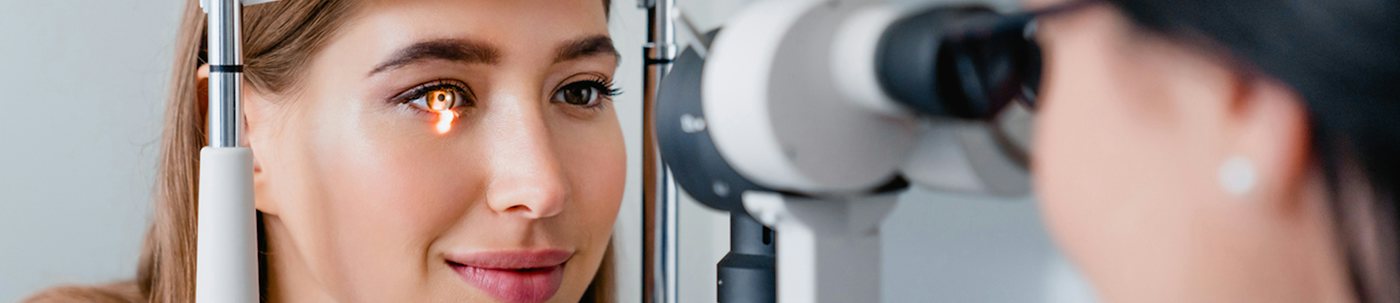
How to get a glasses prescription
The most critical step when ordering glasses online is to ensure that your prescription is up to date.
Published by Direct Sight | Buying Guide
Our eyesight naturally changes over time, so it is essential to ensure your prescription is current when ordering new glasses online. It is recommended to have an eye test every two years unless advised sooner by your optician. An out of date prescription could lead to the vision through the lenses not being as sharp as you’d like, may cause strain, headaches, eye fatigue or even blurry vision.
Finding An Optician
If you are looking for an optician make sure you look for a practice that offers optometrists with established reputations and the best qualifications.
There are NHS and private opticians. Private eye tests typically provide longer consultations, giving the optometrist more time to thoroughly assess the patient's needs and offer personalised advice. This might include customised lifestyle recommendations, preventive measures, and in-depth discussions about specific visual concerns.
In contrast, NHS eye tests are often shorter due to higher patient volumes and limited resources. While this time limitation doesn't compromise essential care, it may reduce the opportunity for personalised advice or extended discussions beyond the basic diagnosis and treatment.
For many, cost plays a crucial role in deciding between NHS and private eye tests. The NHS offers free eye tests to eligible groups, while others pay a standard fee, which is generally lower than the cost of a private test. Private eye tests can vary widely in price depending on the provider and the services offered, typically ranging from £20.00 to over £100.
While private eye tests may have a higher upfront cost, their thorough nature can help detect potential issues early, potentially saving money in the long run. Additionally, they provide immediate access to advanced technology and specialised services, often without the need for referrals or long waiting times.
You can book an appointment with either of these specialists by searching online. During the eye exam, your vision will be assessed, and any potential medical issues will be checked.
After the test, you’ll receive a prescription with all the necessary measurements to order glasses on line with Direct Sight with lenses tailored to your needs. To help you understand these numbers on your prescription, here’s a useful guide to interpreting your prescription.
Ordering Online With Direct Sight
Once you have an up-to-date prescription, ordering prescription glasses and sunglasses from Direct Sight is easy! Simply select your preferred frame style, click the ‘Choose your lenses’ button and follow the prompts to customise your lenses. Understanding your prescription can be the most difficult part when ordering your glasses so we strongly advise that you use our prescription upload or send prescription later option, so that a member of our team can ensure that the correct values are applied to the order.

Ready to order glasses online?
Browse our range of frames and customise with your chosen lens options
The importance of an eye test.
Regular eye tests are essential for maintaining both clear vision and overall eye health. Even if your eyesight seems fine, vision can change gradually over time, and an up-to-date prescription ensures you see clearly and comfortably. Eye exams also help detect early signs of eye conditions like glaucoma, cataracts, and macular degeneration, which may not show noticeable symptoms at first. Additionally, eye tests can reveal signs of other health issues, such as diabetes or high blood pressure. By having routine check-ups, you can address vision problems early, prevent eye strain, and safeguard long-term eye health.
Related Categories
Frequently Asked Questions
How often should I update my glasses prescription?
Updating your glasses prescription helps keep your vision at its best. The general advice is an eye test every one to two years, though this varies with your age, general health and any changes in your sight. If you notice blurred vision, headaches or eye strain, it’s worth booking a test sooner. Keeping your prescription up to date means it matches your current vision, so you can see clearly and comfortably.
Can I get my glasses prescription from an old pair of glasses?
Although it’s tempting to rely on an old pair of glasses, using them to determine your prescription is not recommended. Prescription lenses are tailored to your unique vision needs, and any changes in your eyesight over time can make your old glasses inaccurate. For accurate vision correction, it’s essential to visit an optometrist for a comprehensive eye exam to get an up-to-date prescription.
How long is a glasses prescription valid?
The validity of a glasses prescription varies depending on where you live and the individual’s age. Typically, a glasses prescription is valid for 1-2 years. It's essential to check the expiration date on your prescription and schedule a new eye test before it expires to ensure you’re always wearing the correct lenses.
Can I request a copy of my glasses prescription from my optometrist?
Yes, you have the right to request a copy of your glasses prescription from your optometrist after your eye exam. According to the law in the UK, your optometrist must provide you with a copy, even if you choose not to purchase glasses from them. Having a copy of your prescription allows you to shop for glasses online with Direct Sight.
How do I read my glasses prescription?
A glasses prescription includes several measurements, each of which refers to a specific aspect of your vision correction. The most common elements in a prescription include:
-
OD (Oculus Dexter): Right eye prescription.
-
OS (Oculus Sinister): Left eye prescription.
-
Sphere (SPH): Indicates the strength of the lenses for nearsightedness (minus sign) or farsightedness (plus sign).
-
Cylinder (CYL): Corrects astigmatism (if applicable).
-
Axis: The orientation of the cylinder to correct astigmatism.
-
Pupillary Distance (PD): The distance between your pupils, which ensures that the optical center of your lenses is aligned with your eyes.
Understanding your glasses prescription will help you make sure you’re selecting the right lenses when buying glasses online.
What happens if I provide an out-of-date prescription to Direct Sight?
If you provide an outdated prescription to Direct Sight, your glasses may not offer the correct vision correction, leading to discomfort, eye strain, or blurred vision. We reserve the right to cancel any order placed with an out of date prescription. If you’re unsure whether your prescription is up-to-date, contact your optometrist to ensure you're getting the best possible vision correction. Submitting a valid, accurate prescription helps us provide you with the perfect eyewear.
What should I do if my prescription glasses don't feel right?
If your prescription glasses don’t feel right, it could be due to several factors, such as an incorrect prescription or frames that aren’t aligned properly for you. First, double-check that the prescription provided for your order matches your prescription issued by your optician. Next, ensure that the glasses fit well. If discomfort persists, return the glasses back to us along with a copy of your prescription and we will make any required adjustments to your glasses.
Do I need a new prescription if my vision hasn't changed?
If your vision hasn’t changed, it’s not strictly necessary to get a new prescription, but regular eye tests are recommended to monitor eye health. Even if your vision seems stable, there could be underlying health issues that an eye exam can detect. If you feel no discomfort and your vision remains sharp, you might not need a new prescription. However, a yearly or biennial checkup is always a good practice to ensure your eye health is in top condition.