
 Made in our UK lab · Next Day Delivery
Lens Coatings - protect your lenses as well as your eyes
Anti-reflective coating, scratch-resistant lenses, UV coating and more, explore every lens coating option available at Direct Sight.
Why lens coatings matter for your glasses
Lens coatings are thin layers applied to the surface of prescription lenses that enhance their performance, durability, and comfort.
Whether you're searching for anti-reflective coating glasses to reduce glare. Scratch-resistant coating to protect your lenses, or UV coating glasses to shield your eyes from harmful rays. The right coating makes a real difference to your everyday vision.
At Direct Sight, all prescription lenses are manufactured in our own UK laboratory. Below, we break down every glasses lens coating options in UK, what each one does, and who it's best suited for.
Clear Coatings
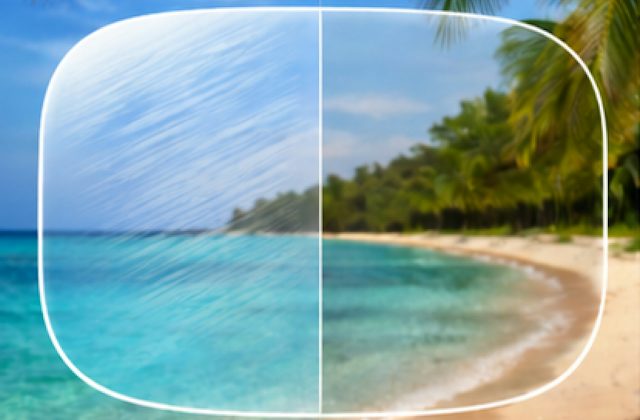
Scratch-Resistant Coating
A hard, protective layer to the lens surface that resists everyday scratches from cleaning cloths and daily handling. All Direct Sight lenses include a scratch guarantee as standard.
Best for: Everyone, essential everyday protection for all lens types
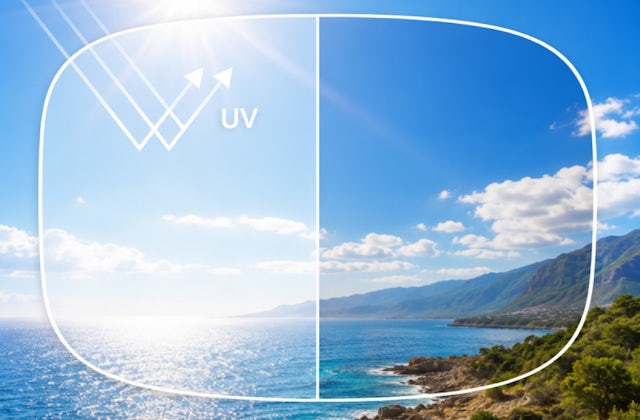
UV Coating
An invisible layer that blocks up to 100% of UVA and UVB radiation. The same harmful uv rays that cause cataracts and macular degeneration over time. UV coating is especially important for clear and light-tinted lenses that offer no natural UV protection.
Best for: Outdoor wear, driving, and anyone concerned about long-term eye health

Anti-Reflective Coating
Anti-reflective coating (anti-glare coating) is the most beneficial upgrade you can make to prescription glasses. It eliminates the light reflections that bounce off lens surfaces. This makes your lenses virtually invisible and dramatically improving both your vision and appearance.
Best for: Everyone - reduces glare from screens, headlights, and overhead lighting

Blue Light Blocking Coating
Filters high-energy blue light emitted by smartphones, laptops, tablets, and LED lighting. This coating may help reduce eye strain, improve sleep quality and improve comfort from prolonged exposure to artificial light.
Best for: Office workers, gamers, spending long hours on smartphones
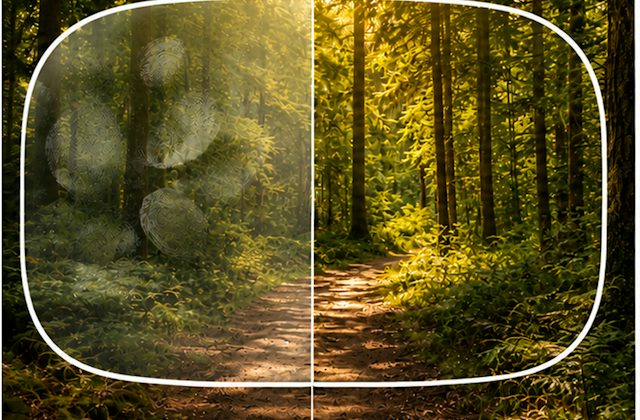
Anti-Smudge Coating
An oleophobic (oil-repelling) layer that prevents fingerprints and skin oils from spreading across your lenses. When you do need to clean them, a single gentle wipe removes residue completely rather than smearing it around.
Best for: Anyone who frequently handles their glasses or has children who touch their lenses
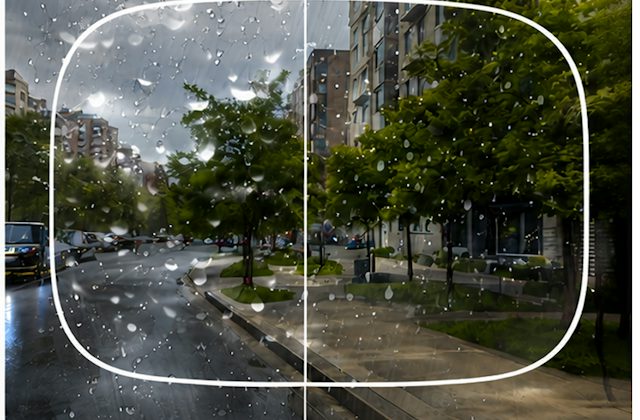
Water-Repellent Coating
A hydrophobic surface that causes water, rain, and condensation to roll off your lenses rather than spreading across them. Your lenses stay cleaner for longer and are far easier to wipe clean when needed.
Best for: Cyclists, runners, and anyone regularly outdoors in the British weather
Coloured Coatings

Mirror Tint Coating
A reflective coating on tinted lenses that adds a mirrored look and extra glare reduction. Available in gold, silver, and blue finishes to complement any frame style.
Best for: Prescription sunglasses and fashion-forward outdoor eyewear

Gradient tint
A tint that graduates from dark at the top of the lens to completely clear at the bottom. The darker upper portion shields your eyes from overhead sunlight and glare, while the clear lower section keeps your vision unobscured for reading and close-up tasks.
Best for: Driving, outdoor dining, and anyone who wants sun protection without sacrificing near vision
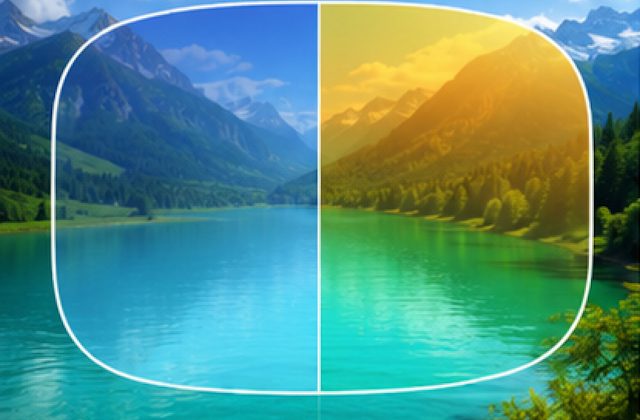
Colour Tint Coating
A solid colour tint applied evenly across the whole lens. It cuts the amount of light passing through, for comfortable vision in bright conditions. Available in a range of colours and depths, from a light 20% tint for overcast days to a deep 85% tint for intense sunshine.
Best for: Prescription sunglass wearers, holidays, festivals, and everyday outdoor use in the British summer
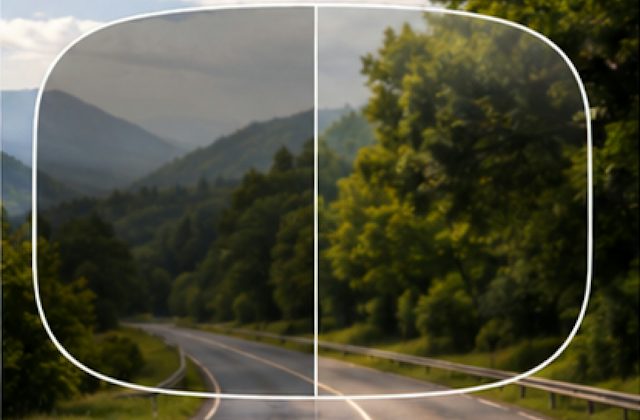
Photochromic Coating
Lenses that automatically darken in sunlight and return to clear indoors, reacting to UV levels. Photochromic lenses combine prescription vision correction with sunlight protection in a single.
Best for: Those who want all-in-one convenience without switching between glasses

Polarised Coating
Specifically designed to cut horizontal glare reflected from flat surfaces like roads, water, and wet pavements. Polarised lenses can improve driving safety and reduce glare for more comfortable outdoor vision.
Best for: Driving, fishing, skiing, cycling, and water sports
Glasses lens coatings UK, at a glance
Use this table to compare each coating and build the right combination for your needs.
| Coating | Reduces glare | UV protection | Scratch resistant | Screen use | Outdoor use |
|---|---|---|---|---|---|
| Anti-reflective | ✓ | x | x | ✓ | ✓ |
| Scratch-resistant | x | x | ✓ | ✓ | ✓ |
| UV coating | x | ✓ | x | ✓ | ✓ |
| Blue light blocking | ✓ | x | x | ✓ | ✓ |
| Photochromic | ✓ | ✓ | x | x | ✓ |
| Polarised | ✓ | ✓ | x | x | ✓ |
| Water-repellent | x | x | x | x | ✓ |
| Gradient tint | ✓ |
x | x | x | ✓ |
| Sun tint | ✓ |
x | x | x | ✓ |
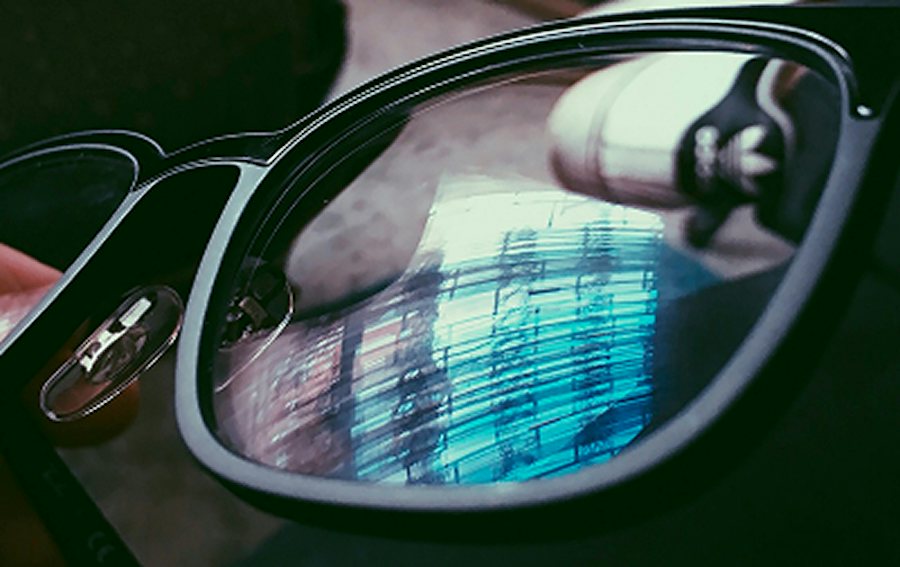
Direct Sight Prescription Glasses With Premium Coatings
Customise an glasses frame with premium lens coatings from only £12.50.
Related Categories
Frequently Asked Questions
What is anti-reflective coating on glasses and do I need it?
Anti-reflective (AR) coating is a thin multi-layer film applied to lens surfaces that eliminates reflections of light. Without it, about 8 to 10% of light reflects off each lens surface, causing glare and distracting reflections.
With AR, reflections are nearly eliminated, improving clarity and reducing eye strain, especially at night or during screen use.
We recommend AR coating for most people, especially those who drive at night, use computers, or are often on camera.
Key benefits:
- Reduces glare from screens, headlights, and overhead lighting
- Improves clarity and contrast in low-light conditions
- Makes your lenses appear nearly invisible in photographs
- Reduces eye fatigue during long periods of screen use
- Ideal for night driving, office work, and digital device users
Are scratch-resistant lenses really scratch-proof?
No lens is completely scratch-proof, not even glass. Scratch-resistant coatings make lenses more durable by protecting against everyday wear like cleaning, or handling. However, they won’t prevent scratches from sharp objects or abrasive materials.
At Direct Sight, all lenses come with a scratch guarantee, if your lenses scratch under normal use, we’ll help you get them replaced.
Do clear prescription lenses block UV light automatically?
This depends on the lens material. Polycarbonate lenses block nearly all UV radiation due to the nature of the material.
Standard plastic (CR-39) glasses lenses offer very little UV protection. A UV coating is needed to provide the protection.
Can I combine multiple lens coatings on the same pair of glasses?
Yes. Anti-reflective, scratch-resistant, and UV coatings are combined and included as standard on our 1.5 multi-coated lenses and all high-index options. You can also add a blue light blocking coating if needed.
Some coatings are not compatible and can not be combined. Photochromic lenses can’t be combined with polarised lenses. Tinted lenses may not be suitable for photochromic treatment. When ordering online, our lens builder will only display compatible options.
How much do lens coatings cost in the UK?
At Direct Sight, single vision uncoated lenses are included free with every frame. Additional coatings, such as anti-reflective and blue light filtering, are available as affordable upgrades.
Because we manufacture our lenses in-house in the UK, we’re able to offer these coating upgrades at significantly lower prices than most high-street opticians. Visit our lens price list for full details.
What is the difference between anti-reflective coating and polarised lenses?
Anti-reflective coating reduces reflections from the lens surface itself. It works on all light hitting the lens at any angle.
Polarised lenses block horizontal light waves that cause glare from flat reflective surfaces like water, roads, and car bonnets.
AR coating is used primarily on clear prescription lenses where as polarised coating is used on sunglass lenses. Both reduce glare, but in different ways and different contexts. For driving in sunlight, polarised is the stronger choice. For office and evening use, AR coating is more effective.