
 Made in our UK lab · Next Day Delivery

Polarised Lenses Explained
Polarised lenses block glare and enhance clarity of vision whilst offering protection from the UV Rays of the sun.
Published by Direct Sight | Lens Centre
Whether you're shopping for sunglasses or simply trying to understand your options. This guide explains everything you need to know about polarised lenses. How they work, how they compare to alternatives, and how to choose the right one for you.
What are polarised lenses?
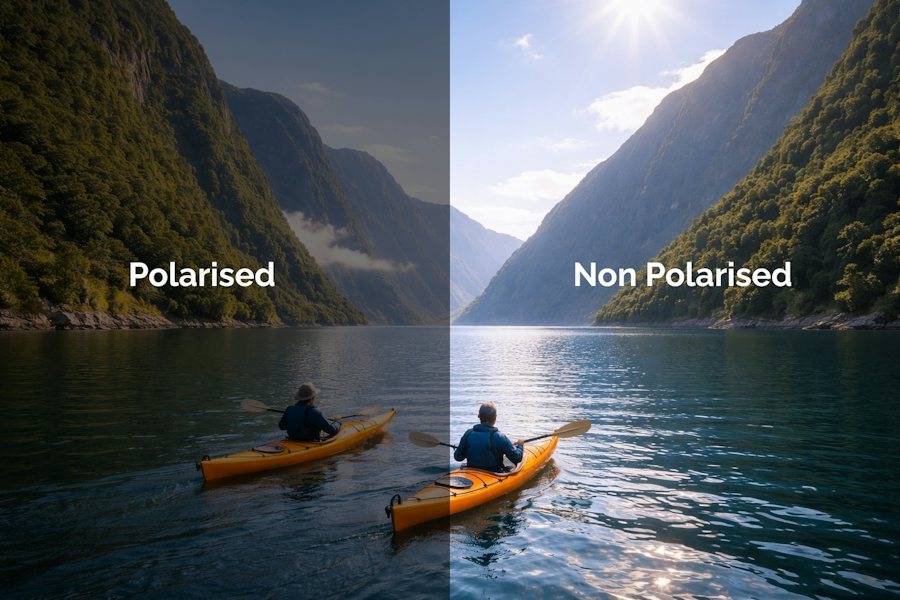
Polarised lenses are designed to reduce glare from reflective surfaces like water, roads, and snow. They contain a built-in filter that blocks intense horizontal light, which is the main cause of glare and visual discomfort.
The result is clearer, sharper vision with improved contrast and reduced eye strain, especially in bright conditions. Polarised lenses are ideal for driving, holidays, and outdoor activities where glare can be a problem.
How do polarised lenses work?
Polarised lenses contain a vertical filter that blocks this horizontal light while allowing useful light through. The result is a significant reduction in glare, giving you clearer, more comfortable vision in bright conditions.
The result is not a darker view of the world, but a clearer one. Colours appear more vivid and contrasts sharper. The light reflecting anti glare means your eyes no longer work overtime fighting reflected brightness.
Choosing your tint colour
The colour of a polarised lens affects how it performs in different light conditions and activities. All tints eliminate glare equally, the difference lies in how each colour handles contrast and colour rendering.
Fishing & water sports
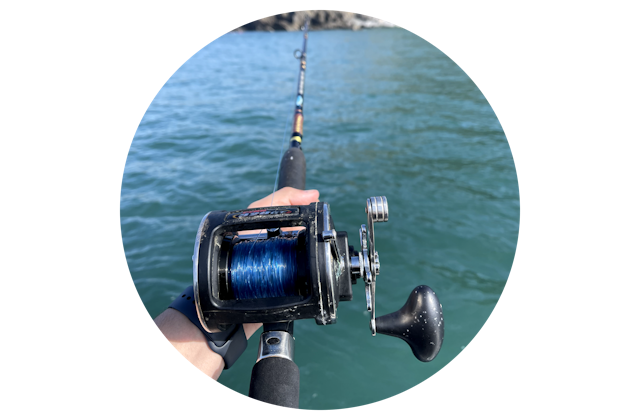
Recommended Colour: Brown
Enhances contrast and depth perception. Excellent in variable light. Warms colours slightly.
Driving
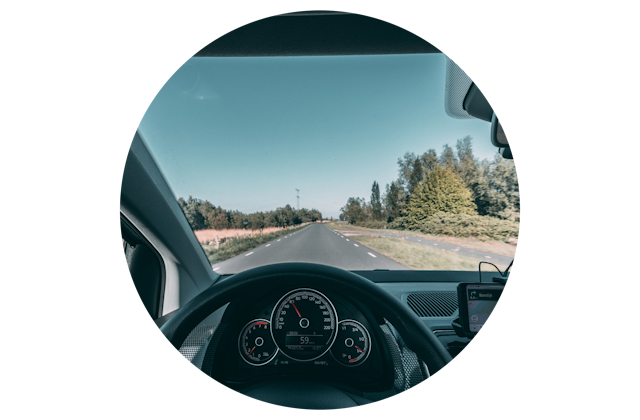
Recommended Colour: Grey
Neutral colour rendering. Reduces brightness without distorting colours. The most versatile choice.

Skiing
Recommended Colour: Green
Balances natural colour perception with strong glare reduction. Popular for general outdoor use.
When polarised lenses are not the right choice
Polarised lenses are not suitable in every situation. The same filter that blocks reflected horizontal light can interfere with certain screens and displays:
- LCD instrument panels, GPS devices and some car dashboards may appear dark or obscured at certain angles.
- ATM screens and some smartphone displays can be harder to read depending on screen orientation.
- Pilots are advised not to use polarised lenses, as cockpit instrument panels rely on specific polarised light patterns.
For driving, fishing, skiing and general outdoor leisure, these limitations rarely apply. For professional aviation or roles requiring constant screen interaction, a standard high-quality tinted lens may be more appropriate.
Polarised vs Tinted Sunglasses & Photochromic Lenses
| Feature | Tinted Lenses | Photochromic Lenses | Polarised Lenses |
|---|---|---|---|
| How they work | Reduce overall light evenly | Automatically darken in UV light and clear indoors | Blocks reflected glare from flat surfaces |
| Effect on vision | Makes everything uniformly darker | Adapts to changing light conditions | Enhances clearity and contrast |
| Glare handling | Do not eliminate glare | Do not eliminate glare | Eliminates glare at the source |
| Best for | Everyday wear, low-glare conditions | Everyday wear, frequent indoor/outdoor transitions | Driving, water, snow and bright outdoor environments |
| Key benefit | General comfort in bright light | Adapts to changing light conditions | Clearer vision in glare-heavy conditions |

Direct Sight Prescription Polarised Glasses
Customise any glasses frame with polarised lenses including your prescription from only £45.
Polarised coating is available in Grey, Green or Brown.
Polarised Sunglasses UK
Direct Sight offers a wide range of polarised sunglasses, available in both non-prescription styles and custom-made prescription lenses. Designed to reduce light reflecting glare, they’re a great choice for everyday wear and sports sunglasses alike.
Take a look at our latest sunglasses offer and see why many rate them among the best polarised lenses in the UK for clarity and comfort.
Related Categories
Frequently Asked Questions
How do polarised lenses work?
Polarised lenses contain a filter that blocks horizontally polarised light. The type created when sunlight reflects off flat surfaces like roads, water and snow. Only vertically oriented light passes through, eliminating glare at its source rather than simply reducing overall brightness.
What is the difference between polarised and tinted sunglasses?
Tinted lenses reduce the overall amount of light reaching your eyes by a fixed percentage. Polarised lenses specifically target and block reflected glare from horizontal surfaces. A tinted lens makes everything darker; a polarised lens makes everything clearer. In bright, reflective conditions, polarised lenses offer significantly better visual comfort and safety.
What is the difference between polarised and photochromic lenses?
Photochromic lenses automatically darken outdoors and lighten indoors, making them a versatile everyday lens. Polarised lenses are a fixed-tint and specifically designed to eliminate reflected glare. For activities with intense reflected light (driving, water sports, skiing), polarised lenses outperform photochromic. For general all-day wear moving between indoors and outdoors, photochromic lenses are more convenient.
Which polarised lens tint colour should I choose?
Grey lenses maintain true colour perception and suit driving and general bright conditions. Brown lenses enhance contrast and depth perception, making them popular for fishing, golf and variable-light outdoor sports. Green lenses balance natural colour rendering with glare reduction and suit general outdoor use.
Are polarised lenses suitable for driving?
Yes. Polarised driving glasses lenses are particularly effective because they eliminate glare from wet roads, bonnets and other vehicles. Grey-tinted polarised lenses are the most popular choice for driving. They reduce glare without distorting traffic light colours. They make the perfect pair of sunglasses for bright light conditions however they are unsuitable for driving at night.
When are polarised lenses not recommended?
Polarised lenses are not recommended for pilots, as they can obscure instrument panel displays and certain navigational screens. They can also make some LCD screens harder to read, including car dashboards, GPS devices and ATM screens, depending on the viewing angle.
Can polarised lenses be made with a prescription?
Yes. Polarised lenses are available as prescription lenses in single vision and varifocal options. At Direct Sight, you can add a polarised coating to any prescription glasses frame for an extra £45. With a choice of grey, brown or green tints and lens index options to suit your prescription strength.