
 Made in our UK lab · Next Day Delivery
Sports Sunglasses
Discover sports sunglasses designed for active days and outdoor adventures.
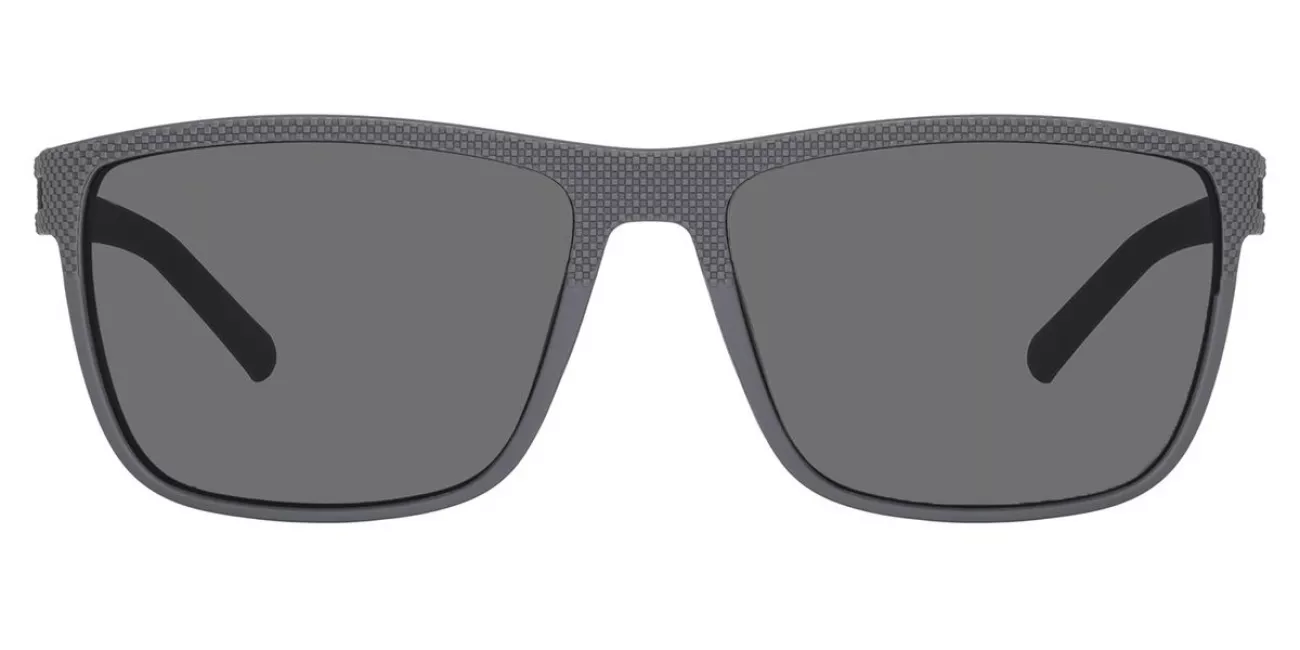
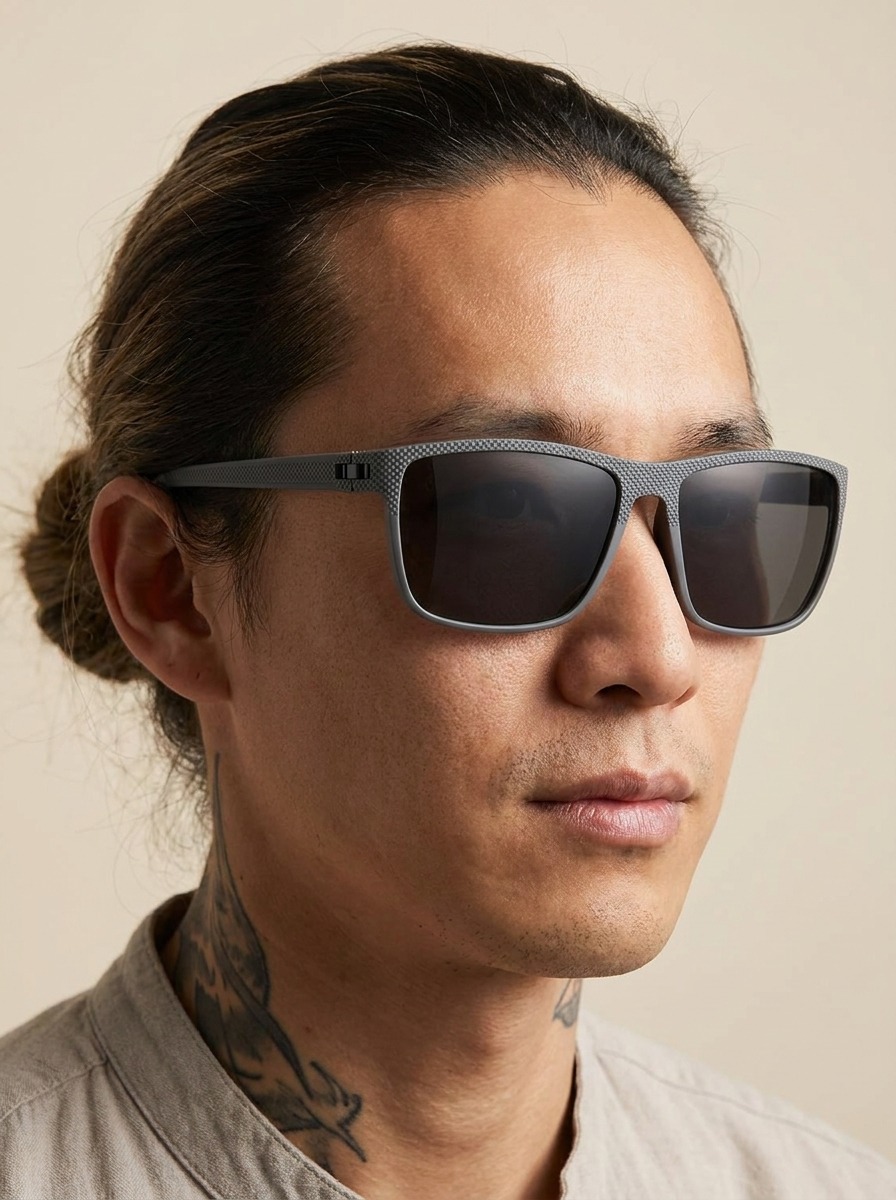
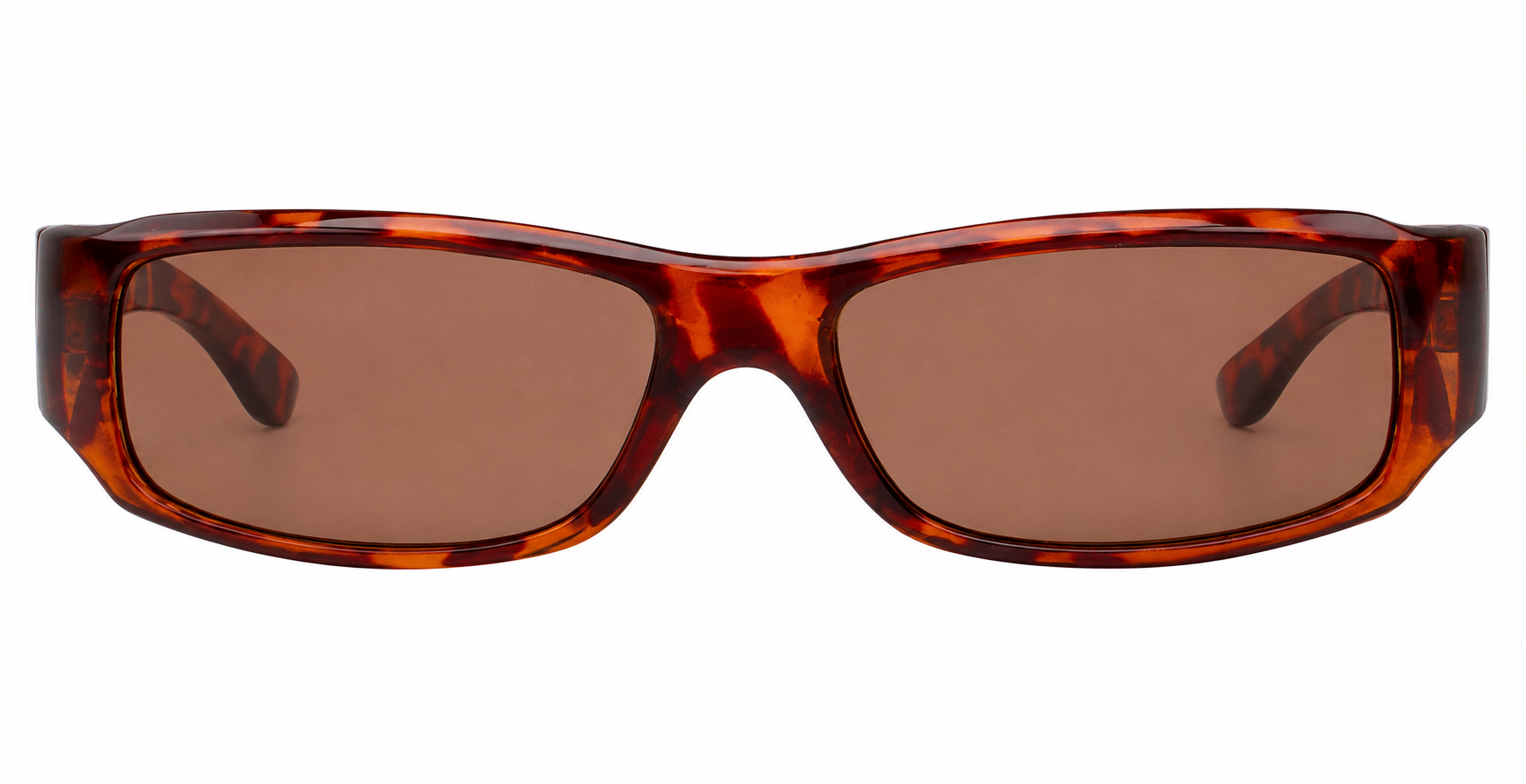
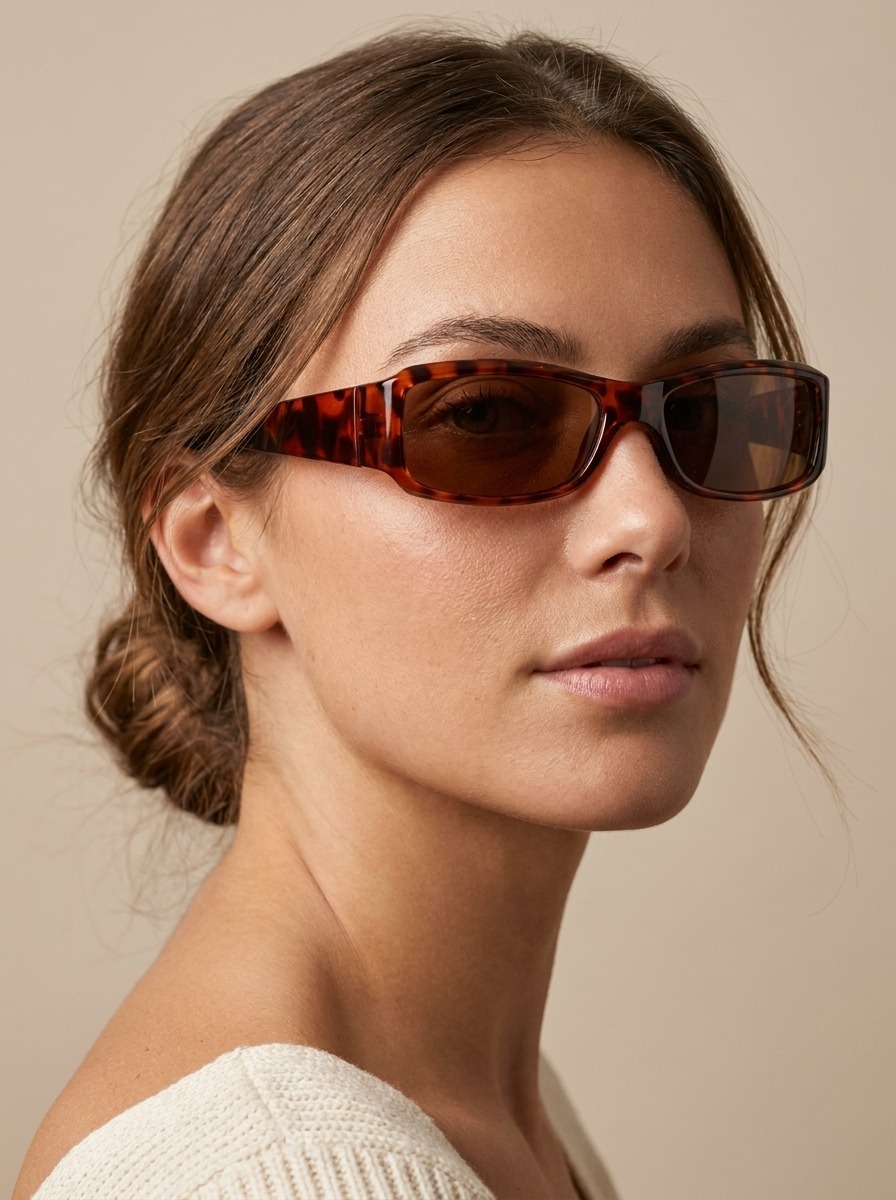
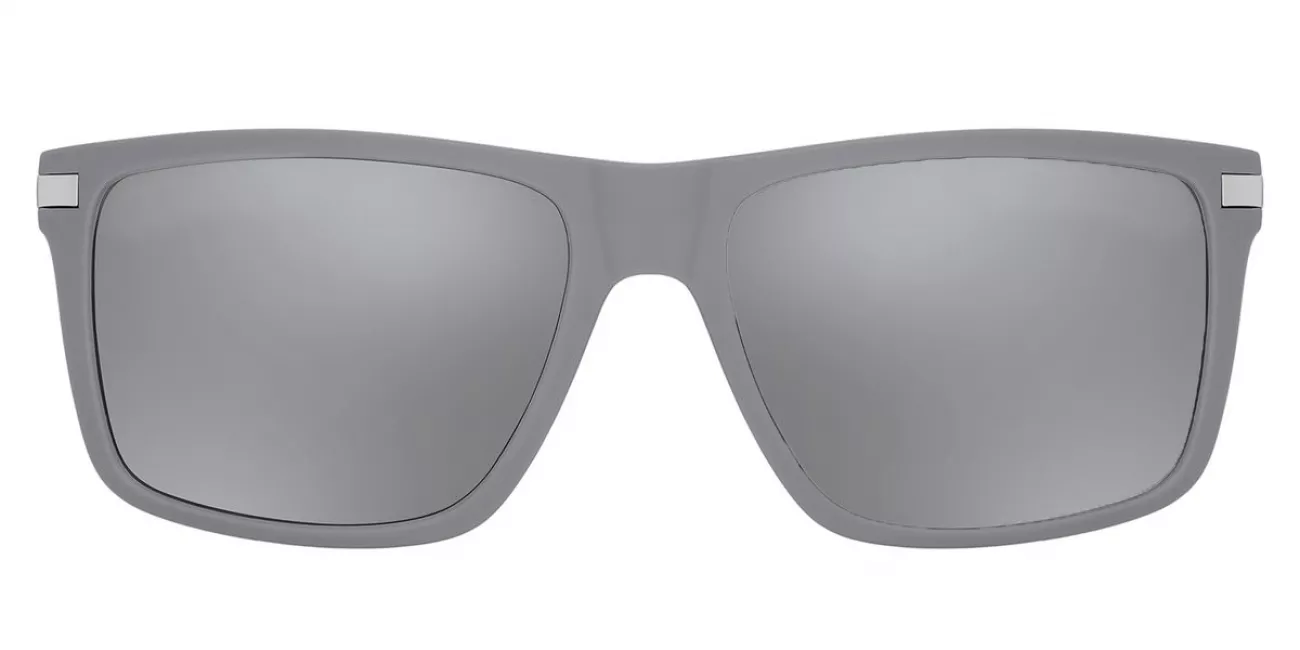
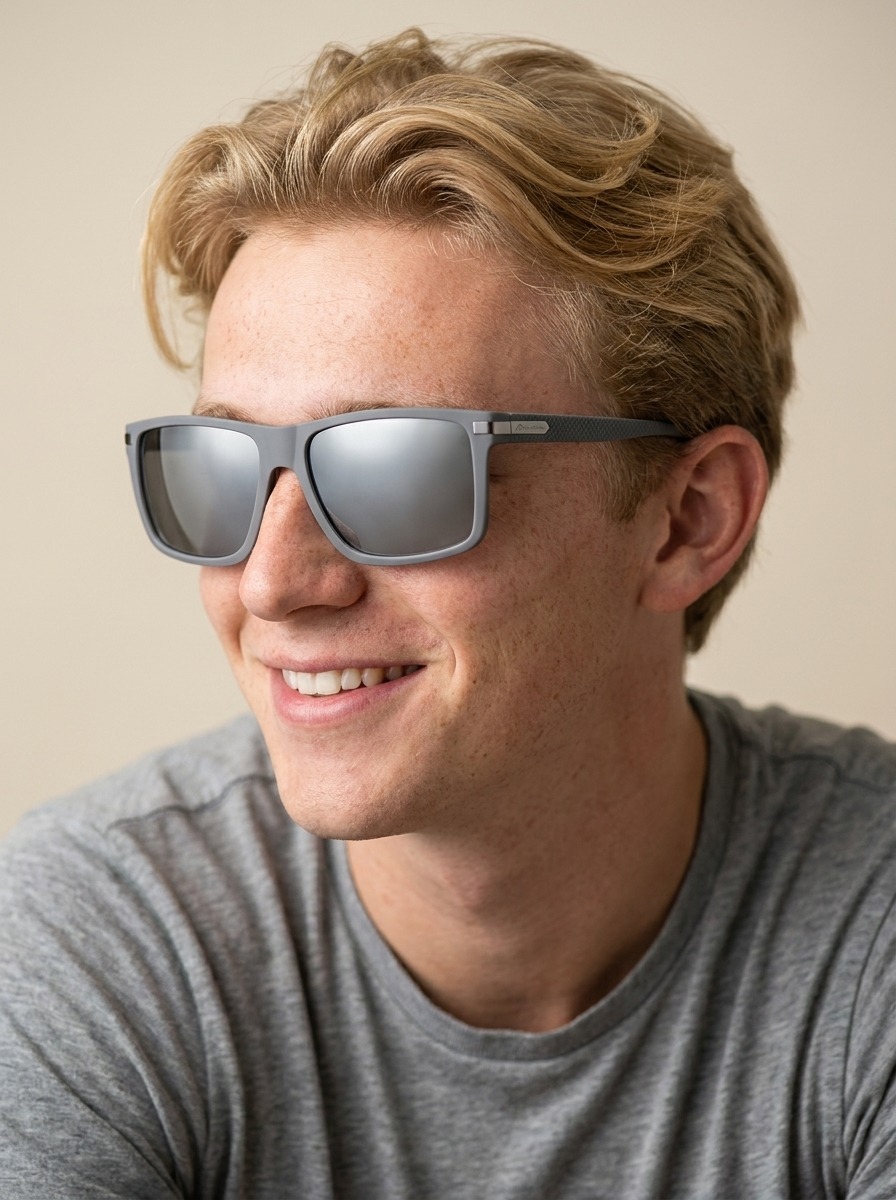
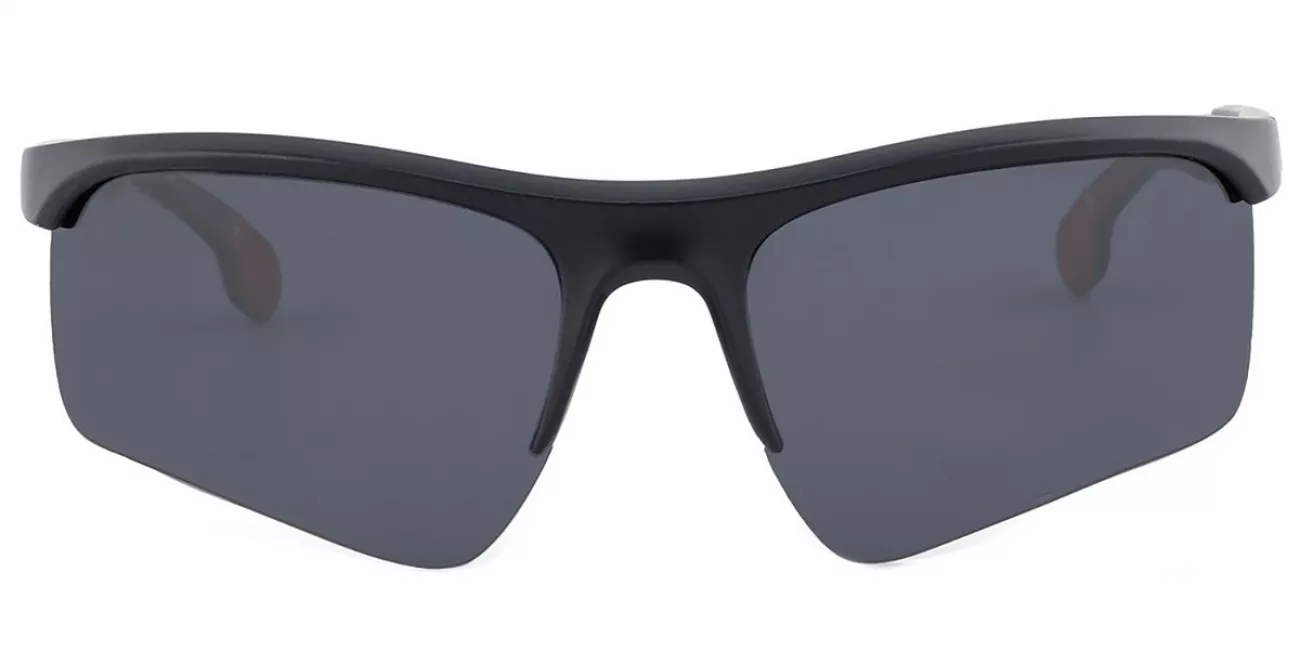
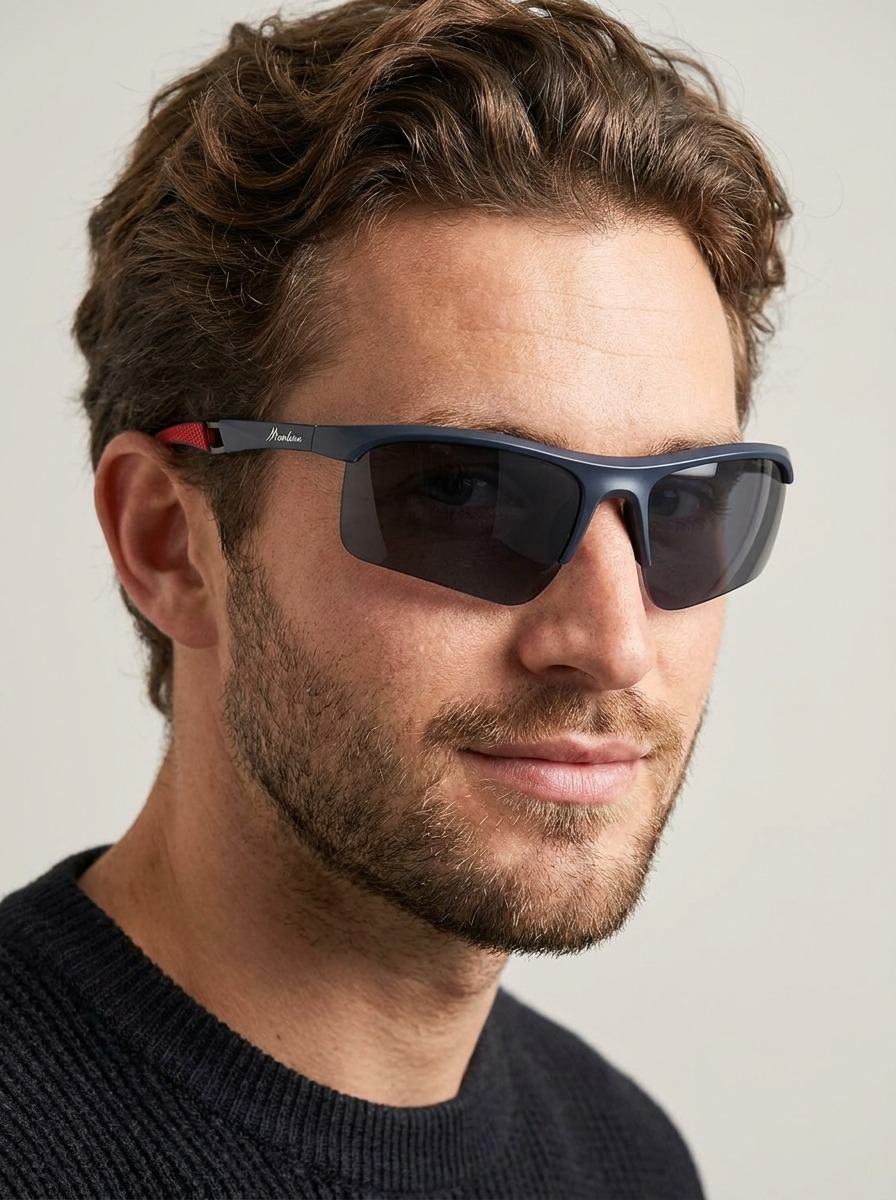
Related Categories
Frequently Asked Questions
What are sports sunglasses?
Sports sunglasses are eyewear designed with active use in mind.
Depending on the individual model, they can feature lightweight frames, curved or wraparound designs, secure nose pieces, grippy temples, larger lenses and ventilation.
The aim is simple is for sunglasses that remain comfortable and practical when you're doing more than walking around in them.
What should I look for when buying sports sunglasses?
Start with fit. Your sunglasses should feel secure without squeezing uncomfortably, and they shouldn't continually slide down your nose or bounce when you move.
From there, consider lens coverage, frame weight, ventilation, UV protection and lens type. The features that matter most will depend on what you're planning to use them for.
Why are sports sunglasses often wraparound?
A wraparound frame curves more closely around the face than conventional sunglasses. This can provide greater coverage at the sides and help reduce the amount of wind, bright light and airborne debris reaching the eye area. It can also create a wider-feeling field of view with less frame sitting directly in your peripheral vision.
Are wraparound sunglasses the same as sports sunglasses?
Not necessarily. Wraparound describes the shape of the frame, whereas sports sunglasses describes their intended use.
Plenty of sports sunglasses use a wraparound design because of the coverage and fit it can provide, but not every wraparound frame is specifically designed as performance sports eyewear.
Why do some sports sunglasses have one large shield lens?
Shield sunglasses use a single large lens extending across much of the front of the frame. The design can provide a broad field of view and generous coverage while reducing the amount of frame surrounding the lenses.
It's particularly common in modern cycling sunglasses and performance sports eyewear, although traditional two-lens sports frames remain widely available too.
What are the best sunglasses for running?
Good running sunglasses should be comfortable, lightweight and secure enough to stay in position as you move.
Look for a frame that doesn't bounce, pinch or continually need adjusting. Secure nose and temple contact points can be particularly useful, while ventilation may help if you regularly experience misting during harder efforts.
The lightest pair isn't automatically the best, a secure, comfortable fit matters more.
What should I look for in cycling sunglasses?
Cycling puts you in changing light, wind and moving air for extended periods, so coverage and fit become particularly important. Cycling sunglasses often use larger or wraparound lenses to provide a broad field of view and additional coverage around the eyes.
It's also worth checking how the frame works with your cycling helmet. The temples should sit comfortably without creating unnecessary pressure.
Are sports sunglasses good for golf?
They can be. For golf sunglasses, look for a comfortable frame that stays secure without distracting you during your swing. Lens choice is also important, particularly if you regularly move between bright sunlight and shaded areas of the course.
Some golfers prefer contrast-enhancing lens colours, while others simply want a comfortable sunglass lens that reduces brightness.
Are polarised sports sunglasses better?
Not automatically, it depends on what you're doing.
Polarised sports sunglasses reduce reflected glare, which can be particularly useful around water, wet surfaces and bright roads.
For fishing and other activities where reflected glare from water is a major issue, polarisation can be especially useful.
For other sports, factors such as lens colour, contrast, coverage and fit may be equally or more important.
Are polarised sunglasses good for cycling?
They can be useful for reducing reflected glare from bright roads and wet surfaces.
However, cyclists should consider their whole setup rather than choosing a lens solely because it's polarised. Lens tint, changing light conditions and how easily you can see displays or screens can all be relevant.
Choose the lens for the conditions in which you actually ride.
Are polarised sunglasses good for running?
They can be, particularly if you regularly run in bright conditions or encounter glare from wet roads, water or other reflective surfaces. They're not essential simply because you're running, though. A comfortable, secure pair with appropriate UV protection remains the priority.
Are sports sunglasses good for fishing?
Polarised sports sunglasses can be particularly useful for fishing because polarisation helps reduce glare reflected from the surface of the water.
A frame with good coverage can also be helpful when you're spending long periods outdoors.
What colour sports sunglasses lenses are best?
There isn't one lens colour that's best for every sport and every condition. A lens that works brilliantly on a bright summer afternoon may not be the one you'd choose for an overcast morning.
Think about the light conditions, environment and activity first, then look at the lens options available with the individual sunglasses.
Do darker sports lenses provide more UV protection?
Not necessarily. The darkness of a sunglass lens and its UV protection aren't the same thing. A darker looking lens should never be assumed to provide better UV protection simply because less visible light passes through it.
Always check the actual UV specification of the sunglasses.
How do I stop sports sunglasses slipping when I sweat?
Fit is the first thing to check. Some sports sunglasses use rubberised or high grip contact points around the nose and temples to help the frame remain secure during activity.
If your sunglasses continually slide, don't assume that's simply something you have to put up with. A different bridge design or frame size may fit you considerably better.
Can I get prescription sports sunglasses?
Some sports sunglasses can be made with prescription lenses, depending on the individual frame design and your prescription.
Highly curved and shield-style sports frames can be more complicated to prescribe than conventional frames, so suitability needs to be checked for the particular model.
If you need vision correction for sport, look specifically for prescription sports sunglasses rather than assuming every performance frame can accommodate your prescription.
What's the difference between sports sunglasses and regular sunglasses?
The biggest difference is usually what the frame has been designed to cope with.
Regular sunglasses may prioritise fashion and everyday comfort. Sports sunglasses are more likely to incorporate features intended for movement, such as secure contact points, lightweight materials, wraparound coverage, ventilation or larger fields of view.
There's plenty of crossover, but if you're buying specifically for exercise, it's worth looking beyond appearance.
Ready When You Are
When you're moving, your sunglasses need to keep up. Discover sports sunglasses designed with active days in mind, from lightweight wraparound styles to secure-fitting frames with generous lens coverage.
Whether you're running, cycling, playing golf or simply spending more time outdoors, the right pair should feel comfortable, stay put and give you the coverage you need.
The best sports sunglasses are the pair you can put on and then forget about.
Whether you're looking for running sunglasses, cycling eyewear, golf sunglasses, polarised sports sunglasses or a lightweight wraparound frame for everyday activity, start with a secure fit and choose the features that make sense for the way you use them.
Explore our Sports Sunglasses collection and find the pair that can keep up.